
Best Darts Tips for Today: Boost Your Game with Expert Strategies and Insights
Darts is a challenging yet rewarding sport that requires a mix of precision, strategy, and mental fortitude. Whether you're a beginner looking to sharpen your skills or an experienced player aiming to elevate your game, understanding the fundamentals and implementing expert strategies can significantly enhance your performance.

Before diving into advanced techniques, it’s crucial to grasp the basics of darts. The primary objective is simple: throw the dart at a circular board divided into numbered sections, trying to score as many points as possible. The game can be played in various formats, but the most popular are '501' and 'Cricket'. Mastering the basics will form a solid foundation for your darts journey.

Your equipment plays a crucial role in your performance. The darts you choose, along with the flight and shaft, can affect your game significantly. It’s vital to find darts that feel comfortable and balanced. Experiment with different weights and styles to discover what works best for you. Additionally, don't overlook the importance of a good dartboard; a high-quality board will improve your accuracy and consistency.
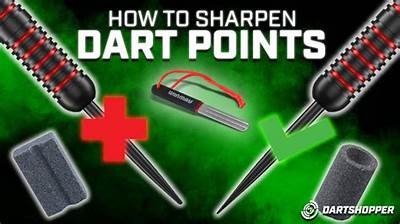
Your grip affects how you release the dart during your throw. A relaxed, stable grip will facilitate a smooth release. Typically, players grip the dart with their thumb and first two fingers. Experiment with placements and pressures to find a grip that feels right. Consistency is key, so ensure your grip is the same every time you throw.

Stance refers to how you position your body before throwing the dart. A stable, balanced stance can dramatically improve your accuracy. Stand with your dominant foot slightly forward and your body aligned with the board. Ensure your shoulders and hips are straight, facing the target. This foundation allows for a more controlled throw.

Executing a perfect throw requires practice and patience. Focus on your arm movement, aiming for a smooth, fluid motion. Many players find success using a three-part movement: the forward motion, the release, and the follow-through. Keep your elbow stable and your wrist loose, allowing for a natural trajectory. Practice this motion repeatedly to develop muscle memory. Aiming Strategies: Targeting for Success
Aiming is both a physical and mental skill. While many players focus exclusively on the bullseye, understanding the board layout is essential. Different games have different strategies regarding which segments to target. For instance, in ‘501’, players often aim for triplets to maximize their score. Practice your targeting skills on various sections of the board to enhance your adaptability during games. Mental Game: Focus and Concentration Emphasizing Mental Strength
Darts isn’t just physically demanding; it requires significant mental strength. Maintaining focus during a match can be challenging, especially in high-pressure situations. Techniques like visualization can help. Before your throw, visualize the dart hitting the target, transforming your thoughts into action. Additionally, develop a pre-throw routine to enhance your concentration. Handling Pressure
Every player experiences pressure during competitive matches. Understanding how to manage this pressure is key to performing well. Techniques may include deep breathing, meditation, or even engaging in light conversation to keep your mind relaxed. Experiment with different methods to see what helps you the most. Practicing Regularly: The Key to Improvement
Like any sport, practice is essential in darts. Set aside dedicated practice sessions to work on various skills—be it aiming, throwing, or strategic thinking. Consider joining a local league or playing regularly with friends to hone your skills under varying conditions. Aim to set specific goals for each practice session, tracking your progress over time. Analyzing and Learning from Your Performance Keeping a Record of Your Games
Recording your games can provide insights into areas for improvement. Keep track of your scores, accuracy, and game outcomes. Analyze trends to identify specific weaknesses. This can guide your practice sessions, ensuring you focus on aspects of your game that need the most attention. Seeking Feedback from Others
Another effective way to improve is to seek feedback from more experienced players. Watching others play and asking for tips can provide fresh perspectives on your game. Don’t hesitate to join forums or social media groups focused on darts to share experiences and gather advice from the community. Conclusion: Embracing the Darts Journey
Improving your game requires time, effort, and dedication. By implementing these expert strategies and insights, you can take significant steps toward becoming a better darts player. Embrace the journey, enjoy the process, and most importantly, don’t forget to have fun while you hone your skills. Tags
-

Get 20 Euro No Deposit Bonus at Top Online Casinos for New Players
-

Discover Slotozen Casino No Deposit Bonus Offers and Exclusive Promotions in 2024
-

Comprehensive Guide to Willbet ES Live Betting Platform Features and Real-Time Updates
-

Discover Willbet Restaurant Exceptional Dining Experience with Diverse Menu and Cozy Ambiance
-

Comprehensive Review and Guide to Willbet Golden Nugget Online Casino Features and Bonuses
-

Discover the Ultimate Fanatics Casino Free Play Offers and Bonuses for New Players