
Optimal Window Installation Techniques for New Building Constructions to Enhance Energy Efficiency
In an era of growing environmental consciousness and energy costs, building designs that prioritize energy efficiency have become paramount. Windows play a crucial role in a building’s thermal performance, significantly affecting energy consumption for heating and cooling. This article delves into optimal window installation techniques that enhance energy efficiency in new building constructions, addressing the importance of proper integration, materials, and methods.
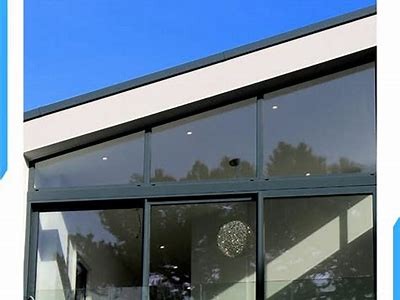
Windows account for a substantial percentage of energy loss in buildings. Their performance impacts not only the energy bills but also the comfort and environmental footprint of a building. Energy-efficient windows can significantly reduce heating and cooling demands, thus impacting a building's overall energy usage. This highlights the necessity of implementing optimal installation techniques to maximize the benefits provided by these windows.
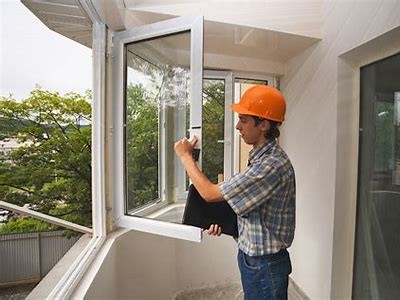
Before discussing installation techniques, it is essential to select the appropriate windows. The key factors to consider include the window frame material, glazing type, and energy efficiency ratings. Windows should be chosen based on their U-value, solar heat gain coefficient (SHGC), and visible transmittance (VT) to determine their efficiency in various climates.
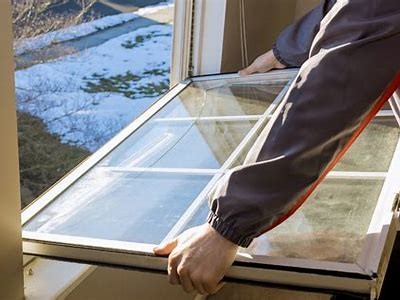
Window frames come in various materials, including wood, vinyl, fiberglass, and aluminum. Each material has its insulating properties and durability, impacting the overall efficiency of the window. For instance, vinyl windows generally provide better insulation than aluminum; however, fiberglass frames offer superior thermal performance and resistance to temperature changes.

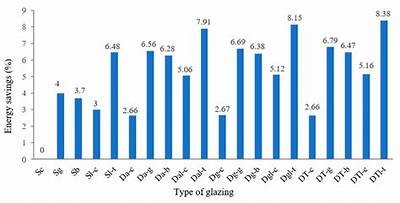
The glazing of windows is equally important. Double or triple-pane insulated glass units are recommended for energy efficiency, as they provide better insulation than single-pane glass. Low-emissivity (Low-E) coatings also enhance thermal performance by reflecting heat back into the building during winter and reducing solar heat gain in summer.
Before beginning the installation process, several factors must be considered: Site Assessment
A thorough site assessment ensures that the windows will be placed in optimal orientations for sunlight exposure. South-facing windows may benefit from passive solar heating, while shaded areas might reduce cooling costs. Structural Integrity
Confirming that the window openings are structurally sound is vital. The rough openings should be squared and plumb, which allows the windows to fit snugly, reducing air leaks and moisture ingress. Installation Techniques
Implementing precise window installation techniques is crucial for maximizing energy efficiency. Below are the optimal practices: Air Sealing
Air leakage is a common issue that can significantly undermine a window's energy efficiency. Installers should use high-quality caulking and weatherstripping to seal all gaps around the window frame. This prevents drafts and helps maintain optimal indoor temperatures. Flashing Installation
Proper flashing is essential to direct water away from the window and prevent moisture damage. Install flashing at the top, sides, and bottom of the window during installation to ensure that water does not infiltrate the building envelope. Use of Insulating Materials
Using insulating materials such as foam or fibrous insulation during the installation process can further enhance energy efficiency. These materials should be placed in the space between the window frame and the rough opening to minimize thermal bridges. Leveling and Alignment
Windows must be installed level and plumb to function correctly. This ensures that they open and close smoothly and reduces the risk of future operational problems. Use a level during installation to verify that the window is correctly positioned. Post-Installation Considerations
Once the windows are installed, it’s critical to conduct a thorough inspection to ensure they meet energy efficiency standards. Below are aspects to evaluate: Air Leakage Testing
Conducting blower door tests can identify air leakage around the window, allowing for corrections before moving forward. This evaluation is crucial for guaranteeing that the windows perform optimally within the building’s energy system. Visual Inspection
A visual inspection should also be performed to check for any gaps, misalignments, or areas needing additional caulking or insulation. This step is instrumental in ensuring long-term energy efficiency. Maintenance of Energy-Efficient Windows
To sustain the benefits of energy-efficient windows over time, regular maintenance is necessary: Cleaning and Care
Regular cleaning of window frames and sashes helps maintain their function. Routine checks for any signs of damage to the seals and frames also prevent airflow issues and energy loss. Inspecting Weatherstripping
Weatherstripping can degrade over time, leading to potential air leaks. Regularly inspecting and replacing worn weatherstripping is essential to maintain the integrity of the window seals. Documenting Repairs
Maintaining records of any repairs or modifications can provide valuable information for future energy audits or renovations, keeping the building's energy efficiency intact. Conclusion
In conclusion, the installation of windows is not merely a construction detail but rather a critical component in energy conservation efforts within a building. By selecting the right windows and employing optimal installation techniques, builders can create energy-efficient structures that contribute positively to long-term sustainability goals. Proper installation techniques, coupled with ongoing maintenance, will ensure that windows serve their intended purpose effectively, benefiting both building occupants and the environment.
-

Discover the Ultimate Fanatics Casino Free Play Offers and Bonuses for New Players
-

Explore Prism Casino No Deposit Bonus Codes for Exclusive Free Play Offers and Rewards
-

Claim Your Betus Free Chip No Deposit Bonus Today for Instant Online Casino Rewards
-

An Adventure of Benny the Bear: Exploring Friendship and Nature in a Magical Forest
-

Explore the Exciting Le Pharaoh Slot Demo and Enjoy Bonus Buy Features Now
-

A Step-by-Step Guide to Zula Casino Login and Account Access for New Users